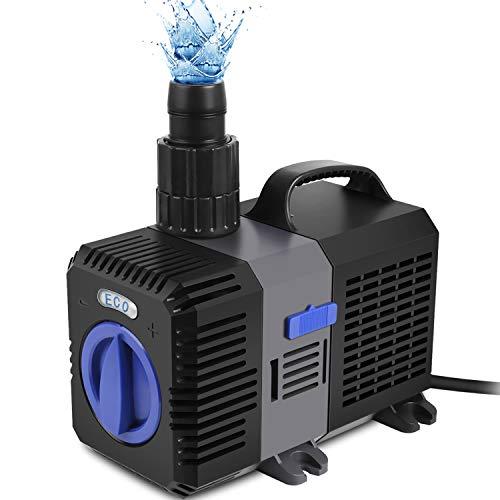
Forever Speed Super Eco: La Pompa per Laghetti che Unisce Efficienza e Risparmio Energetico
Sei alla ricerca di una pompa per laghetti che sia potente, efficiente e rispettosa dell'ambiente? La Forever Speed Super Eco è la soluzione ideale per mantenere il tuo laghetto pulito e ossigenato, creando un ambiente sano per pesci e piante.
Prestazioni Ottimali per un Laghetto Sano
Con una potenza di soli 10W, questa pompa è in grado diMoving a new office is a major undertaking that requires careful planning and execution. Whether you're a small business or a large corporation, the logistics of relocating your entire operation can be daunting. However, with the right approach, you can minimize disruption and ensure a smooth transition to your new workspace. Here's a comprehensive guide to help you navigate the complexities of a successful office relocation:
I. Planning and Preparation:
1. Define Your Goals and Objectives:
- What are your reasons for moving?
- What do you hope to achieve with the new office space?
- What are your key priorities (e.g., location, cost, size)?
2. Establish a Timeline and Budget:
- Create a realistic timeline for each stage of the move.
- Develop a detailed budget that accounts for all potential costs.
- Identify potential cost-saving measures.
3. Form a Relocation Team:
- Assemble a team of representatives from different departments.
- Assign clear roles and responsibilities to each team member.
- Hold regular meetings to track progress and address any issues.
4. Evaluate and Select a New Office Space:
- Consider factors such as location, size, layout, amenities, and cost.
- Conduct thorough site visits and compare multiple options.
- Negotiate lease terms and ensure they meet your business needs.
5. Engage Professional Movers:
- Research and compare several moving companies.
- Obtain quotes and verify their credentials and insurance coverage.
- Clearly communicate your requirements and expectations.
6. Notify Key Stakeholders:
- Inform employees, clients, vendors, and other relevant parties about the move.
- Update your address on your website, business cards, and other marketing materials.
- Submit a change of address form to the post office and relevant government agencies.
7. Plan the Physical Layout:
- Create a floor plan for the new office space.
- Determine the placement of furniture, equipment, and workstations.
- Ensure that the layout is efficient, functional, and conducive to productivity.
II. Packing and Moving:
1. Develop a Packing Strategy:
- Provide employees with packing materials and clear instructions.
- Encourage employees to declutter and dispose of unwanted items.
- Implement a labeling system to identify the contents and destination of each box.
2. Secure Sensitive Information:
- Back up all important data and store it in a secure location.
- Shred confidential documents and dispose of them properly.
- Securely transport or transfer sensitive equipment and information.
3. Coordinate with Movers:
- Confirm the moving schedule and logistics with the moving company.
- Supervise the packing and loading process.
- Ensure that all items are accounted for and properly protected.
4. Set Up IT Infrastructure:
- Coordinate with your IT team or provider to set up network connectivity.
- Install computers, phones, and other essential equipment.
- Test the systems to ensure they are functioning properly.
III. Post-Move:
1. Unpack and Organize:
- Assign employees to unpack and organize their workstations.
- Ensure that all common areas are clean and organized.
- Address any remaining unpacking tasks.
2. Inspect and Report Damage:
- Thoroughly inspect all items for damage.
- Document any damage and file a claim with the moving company.
- Follow up on the claim until it is resolved.
3. Gather Feedback:
- Solicit feedback from employees about the relocation process.
- Identify areas for improvement and implement changes for future moves.
- Celebrate the success of the relocation.
4. Promote the New Office:
- Host an open house or welcome event to showcase the new office.
- Share photos and videos of the new space on social media.
- Highlight the benefits of the new location to employees and clients.
Conclusion:
Moving an office is a complex process, but by following these steps, you can make the transition smoother and more efficient. Careful planning, preparation, and communication are essential to minimizing disruption and ensuring a successful relocation. By addressing these key areas, you can create a new workspace that meets your business needs and supports your company's growth and success.
Potenza: 10W, Max. Velocità di consegna: 3000L / H, Max. Altezza di consegna: 2,0m, Adattatore di uscita: 20-25-32mm
Lunga durata ed elevata resistenza alla corrosione grazie all'utilizzo di plastica ABS per la cassa e di resistente ceramica per il mandrino e l'asse. Motore bobina di buona qualità e dalle alte prestazioni in 100% filo di rame.
Utilizzabile completamente sommersa, sia in acqua dolce che salata; adatta a tutti i tipi di acquari di acqua di mare o di acqua dolce, laghetti, giardini di rocce, vasche d'acqua in giardino, fontane.
Grazie alla copertura del filtro, la polvere fine e le impurità vengono effettivamente filtrate, l'acqua è fortemente imbottita, quindi la filtrazione è molto più approfondita, aumenta la durata e riduce i tempi di manutenzione
Non usare in nessun caso la pompa senza acqua (a secco) per non rischiare di danneggiare l'asse della pompa.Prima di iniziare, il corpo pompa deve essere riempito con acqua pulita.
La pompa dell'acqua non deve essere posizionata direttamente nel fango in basso e la posizione deve essere rialzata, altrimenti la vita utile sarà ridotta.Se l'ambiente dell'acqua è torbido, si consiglia di pulire il coperchio del filtro e i dispositivi interni ogni 2 settimane. Normalmente, dovrebbe essere pulito una volta ogni 4 settimane.